Knee Pain: Causes, Treatment and When to See a Knee Replacement Specialist in Noida
Knee pain is one of the most common reasons adults in India visit an orthopaedic doctor. Most of it comes from wear-and-tear arthritis, injuries or overuse, and most of it can be treated, often without surgery when caught early. This guide explains the common causes, the warning signs, the full range of treatments from exercise to knee replacement, and where to get an expert opinion in Noida and East Delhi.
Key points
- Osteoarthritis is the most common cause of long-term knee pain after 45.
- Early arthritis (grade 2–3) can often be treated with physiotherapy, injections or joint-preserving surgery.
- Knee replacement is meant for end-stage (grade 4) arthritis, usually after 60.
- An examination and a standing X-ray tell you which stage you are at.
What causes knee pain?
The knee carries your body weight with every step, so small problems add up over years. The cause decides the treatment, which is why guessing or self-medicating for months often makes things worse.
| Cause | Who it usually affects | Typical signs |
|---|---|---|
| Osteoarthritis | Adults over 45, people with excess weight, past knee injuries | Stiffness after rest, pain on stairs, grinding, gradual bowing of the legs |
| Rheumatoid arthritis | Any adult age, more often women | Swelling and morning stiffness in both knees, often with hand or wrist joints |
| Ligament and meniscus injuries | Active people, sports players, after a twist or fall | Sudden pain, swelling, the knee locking or giving way |
| Overuse and long sitting | Desk workers, runners, people who suddenly increase activity | Pain around the kneecap after sitting or on stairs |
| Gout | Adults with high uric acid | Sudden red, hot, very painful swelling |
When should you see a doctor for knee pain?
Mild aches after unusual activity often settle with rest. See an orthopaedic specialist if:
- The pain lasts more than a few weeks, or keeps coming back.
- Stairs, getting up from a chair or sitting on the floor have become difficult.
- Pain wakes you at night or is present even at rest.
- The knee swells, locks, or gives way.
- The pain started after a fall or twist.
- The knee is red and hot, or you have a fever (seek care urgently).
Not sure what is causing your knee pain? A consultation with senior orthopaedic surgeon Dr. Sushil Sharma, with a review of your X-ray, identifies the cause and the stage, and tells you which treatments make sense for you.
Video: Dr. Sushil Sharma, senior orthopaedic and knee replacement surgeon, Noida. Watch on YouTube
Knee pain treatment: from exercise to knee replacement
Treatment follows a ladder. Most people start at the bottom and many never need surgery. Each step is chosen according to the cause, the stage of arthritis, age and activity level.
- Exercise, physiotherapy and weight control. Strengthening the thigh and hip muscles and losing excess weight reduce the load on the knee. This is the foundation at every stage.
- Medicines and activity changes. Short courses of pain relief, supports, and avoiding long squatting or kneeling while the knee settles.
- Injections. PRP (platelet-rich plasma from your own blood) or viscosupplementation (a lubricating gel) can ease pain in early to moderate arthritis. Results vary, and neither regrows worn cartilage.
- Joint-preserving surgery. Operations such as high tibial osteotomy re-align the leg to shift weight away from the worn side of the knee, often delaying replacement by years. Read more about knee preservation and treatment without replacement.
- Knee replacement. For end-stage arthritis, the worn surfaces are replaced with an implant: partial or total knee replacement, sometimes performed with robotic assistance for precise alignment.
Knee preservation for grade 2–3 arthritis, explained by Dr. Sharma (Hindi)
More from Dr. Sushil Sharma on his YouTube channel
Can your knee be saved, or is it time for replacement? Dr. Sharma offers both knee preservation and knee replacement, so the advice you get is not limited to one option.
Knee replacement specialist in Noida: Dr. Sushil Sharma
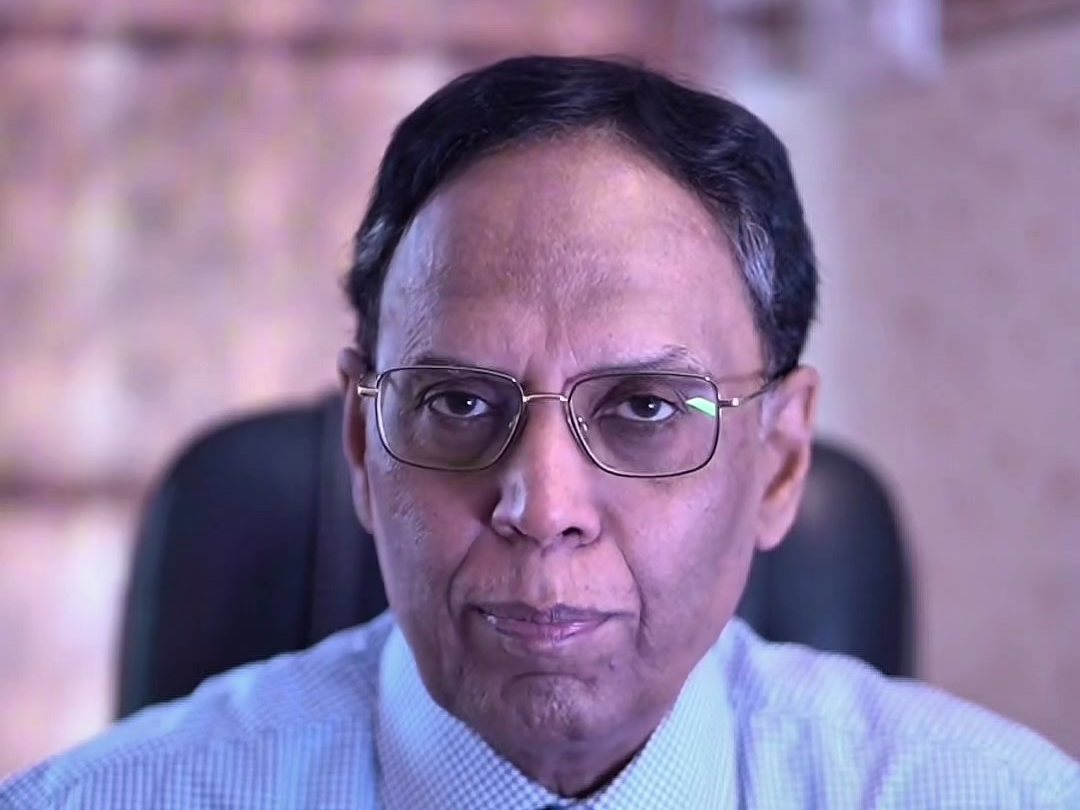
Dr. Sushil Sharma is a senior orthopaedic and knee replacement surgeon in Noida and East Delhi. He specialises in primary, complex and revision knee and hip replacement, robotic joint replacement and knee preservation.
- 38+ years of experience in orthopaedics
- 10,000+ joint replacement surgeries
- M.B.B.S., D.O. (Ortho), MCh (Ortho); joint replacement fellowship at University Hospital Geneva, Switzerland
- Featured in Times Now and BW Wellbeing World
Read Dr. Sharma's full profile or see knee replacement in Noida.
Recovery after knee replacement
Recovery is gradual but predictable for most patients. As a general guide from Dr. Sharma's practice: most patients stand within 24–48 hours of surgery and stay in hospital for 4–5 days after one knee. A walker is usually needed for about 2–3 weeks and a cane for a few weeks more, and most people return to desk work in about 6 weeks. Modern implants commonly last 15 years or more. See how long a knee replacement lasts and which movements are allowed after surgery.
Frequently asked questions
What is the most common cause of knee pain?
In adults over 45, osteoarthritis, the gradual wear of the knee's cartilage, is the most common cause of long-term knee pain. In younger, active people, ligament and meniscus injuries and overuse are more common.
Can knee pain be treated without surgery?
Yes, in many cases. Early and moderate knee arthritis often improves with physiotherapy, weight control, medicines and injections such as PRP or viscosupplementation. Surgery is considered when these no longer control the pain.
When is knee replacement necessary?
Knee replacement is usually advised for grade 4, end-stage arthritis, typically after the age of 60, when pain limits daily life despite other treatments.
Who is a good knee replacement specialist in Noida?
Look for an orthopaedic surgeon who offers both knee preservation and knee replacement, with long experience and a high volume of joint replacements. Dr. Sushil Sharma is a senior orthopaedic and knee replacement surgeon in Noida with more than 38 years of experience and over 10,000 joint replacements.
Is robotic knee replacement better than conventional knee replacement?
Robotic assistance helps the surgeon plan and guide bone cuts and implant position with high precision, which can improve alignment. The surgeon still performs the operation, and not every patient needs it.
How long does recovery take after knee replacement?
Most patients stand within 24 to 48 hours and go home within 4 to 5 days. A walker is usually needed for 2 to 3 weeks, and most people return to desk work in about 6 weeks, continuing to improve for several months.
Where can I get knee pain treatment in Noida?
Dr. Sushil Sharma consults at Kailash Super Speciality Hospital, Sector 27, Noida (Mon–Sat, 2–4 PM), at R. K. Orthopedic Hospital, Patparganj, and at his clinic in Mayur Vihar Phase II, Delhi. For appointments, call +91 98731 14480.
Don't let knee pain decide how you live. Whether you need exercises, an injection, a joint-saving procedure or a new knee, the first step is an accurate diagnosis.
Where to consult: Kailash Super Speciality Hospital, Sector 27, Noida (Mon–Sat, 2–4 PM); R. K. Orthopedic Hospital, Patparganj, Delhi (Mon, Wed, Fri & Sat, 6–8 PM); Total Orthopaedic Solutions, Mayur Vihar Phase II, Delhi (11 AM–1 PM).
Want more trusted health guides like this in your Google results? Add AllHealthInfo as a preferred source.
Add as preferred source on GoogleThis article is for general information and does not replace a consultation with a doctor. Medical review: Dr. Sushil Sharma, Senior Orthopaedic & Knee Replacement Surgeon, Noida.